
- About
- Porfolio
- Services
Custom Home Builder
- Custom Home Builds
- Consulting
- Contact
- About
- Porfolio
- Services
Custom Home Builder
- Custom Home Builds
- Consulting
- Contact
Oceanfront and Waterfront Construction
Let's Build Your Dream Together
Why a Waterfront Lot Changes the Project
- Base flood elevation and whether the lot sits in a coastal high-hazard (V) zone or a standard (A) flood zone
- Required freeboard above base flood elevation, which sets how high the lowest habitable floor has to sit
- Soil conditions at the specific lot, since sandy, marsh-adjacent, and tidal-influenced soils do not all bear load the same way
- Wind exposure category, which is higher on open water than it is a few streets inland
- Setback and critical line jurisdiction from the South Carolina Department of Health and Environmental Control's Office of Ocean and Coastal Resource Management, in addition to county zoning setbacks
Elevation and Flood Requirements
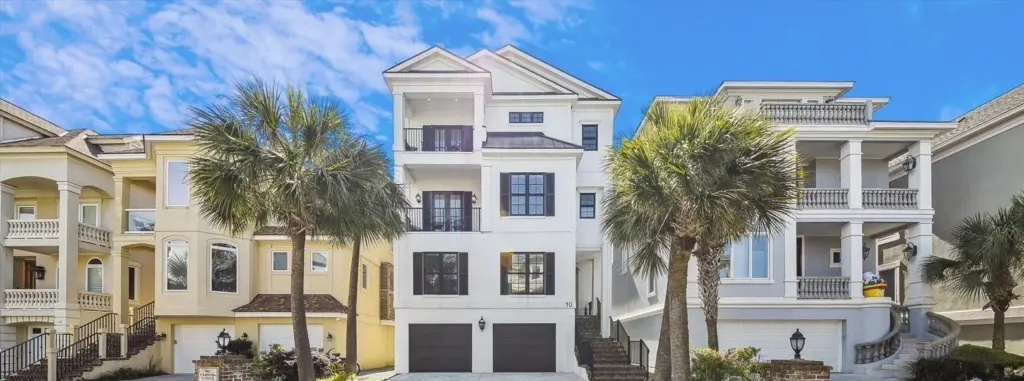
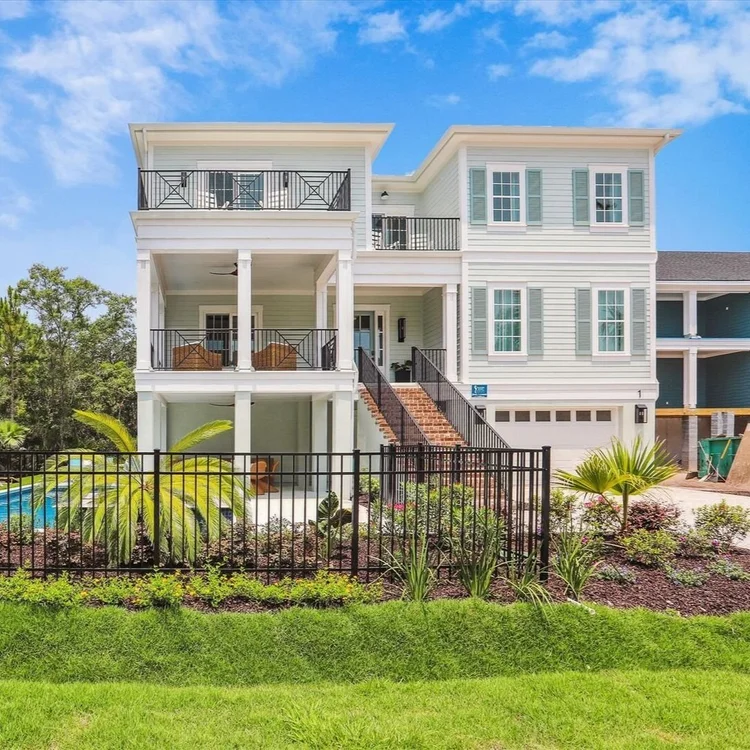
Homes on oceanfront and many waterfront lots have to be built above the base flood elevation established for that parcel, with additional freeboard required in most Lowcountry jurisdictions on top of the federal minimum. That elevation requirement is not a suggestion. It affects insurance eligibility, it is enforced at permitting and again at final inspection, and it is one of the first numbers we confirm before we talk about design.
On a V-zone oceanfront lot, the code assumes wave action against the foundation during a storm event, which is a different structural problem than the flooding assumption used in an A-zone. We confirm the flood zone designation and elevation certificate requirements for a specific parcel before pricing the foundation.
Wind and Structural Loads
Foundations on Coastal Soil
The Complexity Premium, and Why It Is Real
- Engineering fees for structural and geotechnical work specific to elevated, high-wind-zone construction
- Pile foundation systems in place of standard footings
- Impact-rated windows and doors and corrosion-resistant fasteners and hardware
- Additional permitting review through DHEC-OCRM in addition to standard county permitting
- Site logistics on lots with restricted access, tidal work windows, or protected buffer areas
How We Structure a Waterfront Project
Every project we build runs on a flat builder fee rather than a percentage of construction cost. On a waterfront home, where the engineering and permitting line items are larger than on a typical inland build, that distinction matters more, not less. A percentage-based fee grows automatically as the pile package, the engineering, and the impact glazing add cost to the job. A flat fee does not. Our fee is set for the scope of the project and stays fixed regardless of what the coastal requirements add to the budget.
Alongside the flat fee, clients see every invoice tied to their project, and project funds are held in a separate project account rather than mixed with general company funds. On a build where soil reports, engineering revisions, and permitting costs are a real and sometimes fluctuating part of the budget, that visibility is what lets a client track the project accurately instead of taking a lump-sum number on faith.
Where We Build Waterfront and Oceanfront Homes
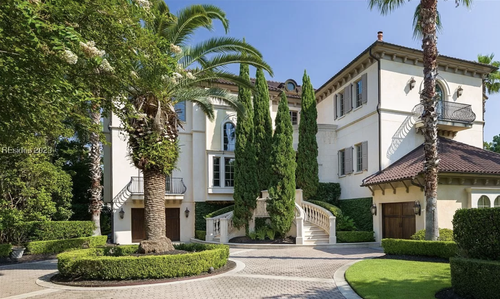
What This Looks Like in Practice
Frequently Asked Questions
Do all oceanfront and waterfront lots require pile foundations?
Is DHEC-OCRM review required for every waterfront lot?
Does building on the water always cost more?
Can an existing house plan be used on a waterfront lot?
How does the flat builder fee work on a waterfront project specifically?
How long does approval take on a waterfront lot?
Talk to Us About a Specific Lot
If you own or are considering a waterfront or oceanfront homesite in Hilton Head, Bluffton, or Okatie, the most useful first conversation is about that specific lot: its flood zone, its soil, and its community’s review process. Call 843-892-6227 or reach out through our site, and we can walk through what that particular site requires before any design work begins.
If you own or are considering a waterfront or oceanfront homesite in Hilton Head, Bluffton, or Okatie, the most useful first conversation is about that specific lot: its flood zone, its soil, and its community’s review process. Call 843-892-6227 or reach out through our site, and we can walk through what that particular site requires before any design work begins.