
- About
- Porfolio
- Services
Custom Home Builder
- Custom Home Builds
- Consulting
- Contact
- About
- Porfolio
- Services
Custom Home Builder
- Custom Home Builds
- Consulting
- Contact
Custom Home Builder in Port Royal Plantation, South Carolina
Let's Build Your Dream Together
Building a custom home in Port Royal Plantation
Port Royal Plantation sits on the northern tip of Port Royal Plantation, bordered by Port Royal Sound and a stretch of protected oceanfront that gives the community a different character than the interior plantations. Lots here range from oceanfront and lagoon parcels to wooded interior homesites tucked off Coggins Point Road and around the Port Royal Golf Club. If you own land here, or you’re under contract on a lot, you already know the setting is part of what you paid for. What matters now is finding a builder who will work inside the plantation’s rules without treating them as an obstacle, and who will run your job with the same discipline whether it’s a $1.5 million build or a $2.5 million one.
Ed Flynn has been building custom homes on Port Royal Plantation, in Bluffton and in Okatie since 1995. Hilton Head Builders Inc has not built a home in Port Royal Plantation to date, and we’re not going to pretend otherwise. What we bring is direct experience with the kind of plantation governance Port Royal uses, familiarity with coastal construction requirements up and down the island, and a construction process that’s the same regardless of which gate you drive through.
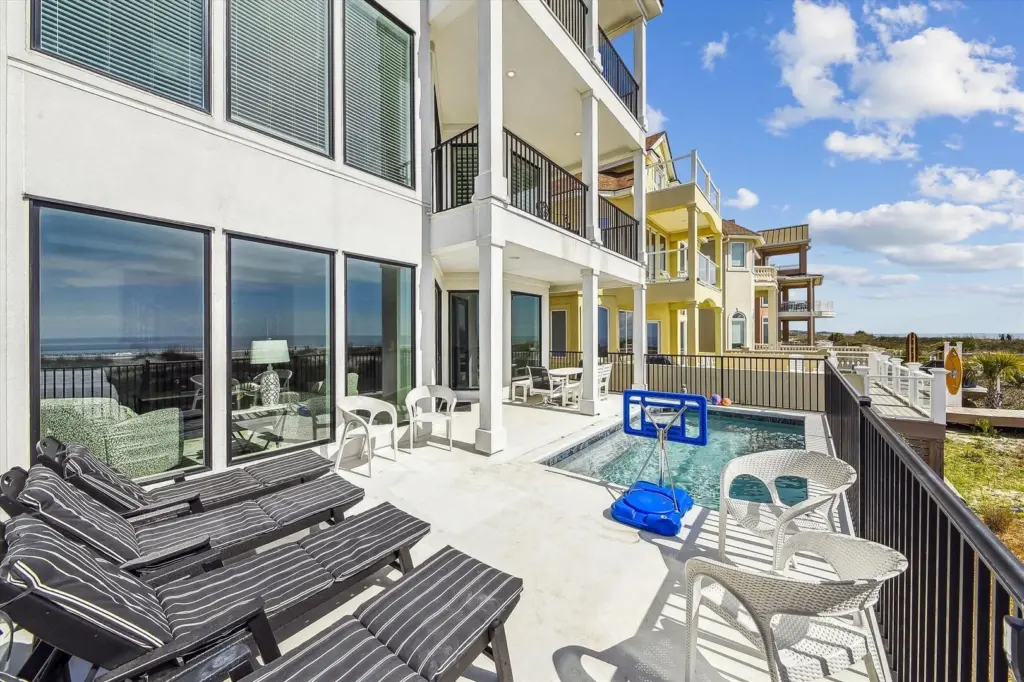
What building here actually involves
Port Royal Plantation is not a uniform building environment. Homesites facing Port Royal Sound or the Atlantic side carry different elevation and setback requirements than interior lots shaded by mature live oaks and pine. Flood zone designation varies lot to lot in this part of the island, which affects finished floor elevation, foundation type, and in some cases the height of the home relative to grade. Tree cover is heavier on interior and golf-adjacent parcels, and healthy grand trees are typically protected, which shapes where a footprint can actually sit before you even get to setbacks.
The architectural character residents expect here tends toward low country and coastal forms, elevated construction where the site calls for it, and materials that hold up to salt air without looking like they were chosen for a brochure. Most homes in Port Royal are second homes or retirement primary residences, which means owners are often building from out of state and relying heavily on their builder to catch details they can’t see from a distance. That’s a different job than building for someone who drives the lot every weekend, and it changes how much documentation and communication a builder needs to provide as the job moves forward.
Site evaluation
We walk your Port Royal homesite before any plan is finalized, checking flood elevation, tree cover, drainage and grade so the design fits the lot instead of fighting it later.
Design coordination
We work alongside your architect to shape a plan that fits Port Royal's expected character and setback and elevation constraints before it goes to review.
Plans Approval Board submission
We prepare and submit the documentation the Plans Approval Board requires, and coordinate that review alongside Town of Port Royal Plantation permitting.
Deposits and site access
We confirm current owner and builder deposit requirements with plantation administration and get every trade credentialed with security decals or day permits before work starts.
Construction and open-book reporting
Your job runs on a flat builder fee with full invoice visibility and funds held in a separate project account, so you can track exactly where the money is going as the house comes together.
None of this is unusual for the island, but it’s specific enough that a builder who hasn’t paid attention to Port Royal’s terrain and governance will make avoidable mistakes on siting, elevation, and tree protection before the foundation is even poured.
The review and approval process
Port Royal Plantation reviews new construction and major renovation through its Plans Approval Board. Plans go to the board before permitting, and the board’s review covers design, siting, and consistency with the plantation’s architectural expectations, in addition to whatever the Town of Port Royal Plantation requires separately for permitting. Expect the board process to run on its own schedule and its own submission requirements, distinct from town review, and plan your design timeline around both.
Port Royal’s process also involves separate deposits from the property owner and from the builder before construction begins. We’re not going to state a dollar figure here since deposit amounts are set by the plantation and can change, but owners should know going in that this is a two-sided requirement, not something the builder handles alone. It’s worth confirming current amounts and any renewal terms directly with plantation administration before you lock in a construction schedule.
Access is controlled the same way it is at most gated plantations on the island: contractors and subcontractors working in Port Royal need decals or day permits issued through plantation security, and vehicles without proper credentials won’t get past the gate. On a custom home project with a rotating list of trades, framers, electricians, HVAC crews, cabinet installers, this becomes a real logistics item, and a builder who’s organized about getting the right people credentialed early avoids a lot of dead time on site.
Lots and homesites
Port Royal’s remaining and resale homesites split fairly clearly into a few categories: oceanfront and near-oceanfront parcels with the tightest environmental and setback scrutiny, sound and lagoon-front lots with their own elevation considerations, and interior wooded lots near the golf courses where tree protection tends to be the dominant design constraint. Lot size and shape vary enough that a house plan that works on one homesite may need real reworking on another, even within the same section of the plantation.
If you own raw land here, the smartest early step is a site evaluation before you finalize a floor plan, not after. Grade, drainage, tree canopy, and flood elevation should inform the design, rather than forcing a design to be reworked once those constraints surface during the Plans Approval Board review.
Lots and homesites
We’ll walk any Port Royal homesite with you before you’ve committed to a plan, and tell you plainly what the lot will and won’t support.
How we work
Hilton Head Builders runs on a flat builder fee instead of a percentage markup on construction cost. That matters more on a $2 million house than a smaller one, because a percentage fee grows with every change order and every upgrade, and a flat fee doesn’t. You see every invoice from every trade and supplier on your job, not a summarized cost report. Your funds sit in a separate project account rather than commingled with other jobs we’re running. This isn’t a discount structure and we don’t present it as one. It’s a way of giving you visibility into where your money is going and control over decisions as they come up, which matters most on a project you can’t check on every day.
Full detail on how the fee and accounting structure works is on our custom home construction page.
On a project subject to plantation review, that visibility extends to how we handle the Plans Approval Board submission and the deposit requirements, so you’re not finding out about a delay or a fee after the fact.
What it costs
Our projects on Port Royal Plantation, in Bluffton and in Okatie generally run in the $1.5 million to $2.5 million range, and Port Royal homesites, particularly waterfront and near-oceanfront parcels, tend to sit toward the upper end of that band once site work, elevation requirements, and finish level are factored in. We’re not going to quote a number here that isn’t tied to your actual lot and plan. What we can tell you is how the fee works: flat, disclosed up front, not a percentage that moves with the budget. Site conditions specific to your homesite, tree protection, drainage, elevation, will affect cost more than almost anything else, which is another reason a site evaluation belongs at the start of the process, not the middle.
If you’re comparing builders on a Port Royal lot, ask each one directly how they’re compensated and whether you’ll see the underlying invoices. The answer tells you more about how the job will run than the initial estimate does.
Two other gated communities near the north end of the island worth knowing about if you’re still evaluating homesites are Hilton Head Plantation and Wexford Plantation, both of which run their own architectural review separate from Port Royal’s Plans Approval Board.
For a broader look at how architectural review works across the island’s gated communities, including where boards differ in scope and timeline, see our architectural review boards page.
Talk to us about your lot
If you own a homesite in Port Royal Plantation or you’re evaluating one, we’ll walk it with you, talk through what the Plans Approval Board process will require for your specific design, and tell you honestly what the site can support before you spend money on plans that won’t clear review. Call Ed Flynn directly at {PHONE} or reach out through the site. There’s no charge for an initial site conversation, and no pressure to sign anything before you’ve seen how we’d actually run your job.
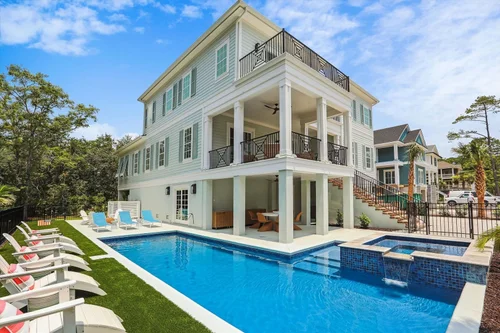
Building within a private club community
Port Royal Plantation homeowners expect a build that respects the community’s character while delivering the custom finishes they want. We coordinate closely with community requirements from the start, so your project moves forward without surprises at the gate or the review desk.
- Familiarity with community standards
- Coordination with security and access logistics
- Designs suited to the surrounding landscape
FAQs
Has Hilton Head Builders built a home in Port Royal Plantation before?
Not to date. We've built custom homes across Port Royal Plantation, Bluffton and Okatie since 1995, and we know Port Royal's terrain and governance well, but we won't claim a build history here that doesn't exist.
What is the Plans Approval Board and when do I need to submit to it?
It's Port Royal Plantation's design review body for new construction and major renovations. Plans typically need Plans Approval Board sign-off ahead of or alongside Town of Port Royal Plantation permitting, and its review covers design and siting rather than just code compliance. Confirm current submission requirements directly with plantation administration before finalizing your timeline.
Do I need two deposits to build in Port Royal?
Yes. Port Royal requires separate deposits from the property owner and from the builder before construction starts. We won't state an amount since the plantation sets and can change these, but you should confirm current figures with plantation administration early in your planning.
How do contractors get access to job sites in Port Royal?
Every contractor and subcontractor working in the plantation needs a decal or a day permit issued through plantation security. We handle credentialing for our trades as part of running the job so crews aren't held up at the gate.
How is your fee structured on a Port Royal project?
We charge a flat builder fee instead of a percentage of construction cost, and you have full visibility into project invoices, with your funds held in a separate project account. It's a structure built for control and transparency, not a discount.
What size lots and homes are typical in Port Royal Plantation?
Homesites range from oceanfront and sound-front parcels to wooded interior lots near the golf courses, and our projects generally run from $1.5 million to $2.5 million, with waterfront Port Royal sites often landing toward the higher end depending on site conditions and finish level.