
- About
- Porfolio
- Services
Custom Home Builder
- Custom Home Builds
- Consulting
- Contact
- About
- Porfolio
- Services
Custom Home Builder
- Custom Home Builds
- Consulting
- Contact
New Home Construction
What New Home Construction Covers
New home construction, as we build it, runs from the first site work to the final walkthrough. It does not include kitchen or bathroom remodels, and it is not handyman-scale work. Substantial renovation projects, generally $500,000 and above, are a separate category we take on, but this page is specifically about building a new house from the ground up.
- Site preparation, grading, and drainage suited to Lowcountry soil and water table conditions
- Foundation systems built to flood zone and base flood elevation requirements
- Structural framing, roofing, and a complete building envelope
- Mechanical, electrical, and plumbing systems, sized and routed for coastal humidity and storm exposure
- Interior finish work through cabinetry, trim, and final fixtures
- Coordination of your community’s architectural review submission and approval process
- Final walkthrough, punch list, and closeout documentation
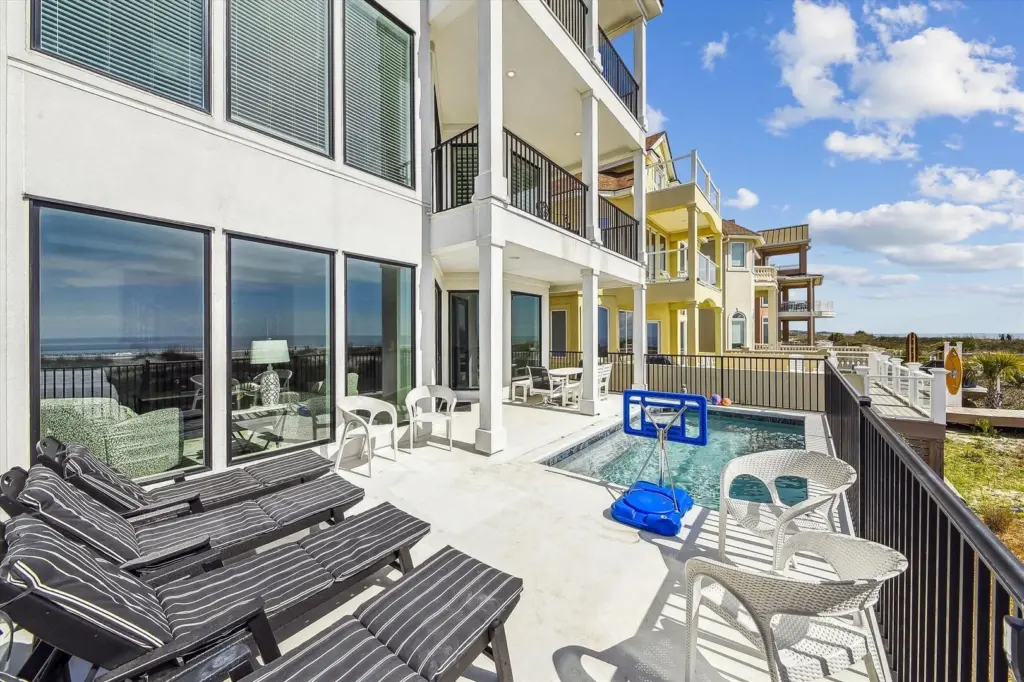
How Projects Are Run
Ed Flynn is involved in every project his company takes on, not as a figurehead but as the person who reviews the plans, walks the site, and answers when something needs a decision. Building on Hilton Head Island, in Bluffton, or in Okatie means dealing with conditions that do not show up the same way inland: elevated foundations, wind load requirements, drainage plans that satisfy both the county and the community, and review boards that have their own submission calendars. None of that is unusual to a builder who has worked here for a long time. It is unusual to a national builder or a crew new to the coast, and it shows up in change orders and delays when it gets missed.
Our office is at 222 Halyard Dr on Hilton Head Island, and most of our clients are relocating from a larger market and building either a second home, a retirement home, or a primary residence they intend to stay in. They are not price shopping. They are trying to figure out who will actually manage the project the way they were told it would be managed.
A Flat Builder Fee, Not a Percentage of Cost
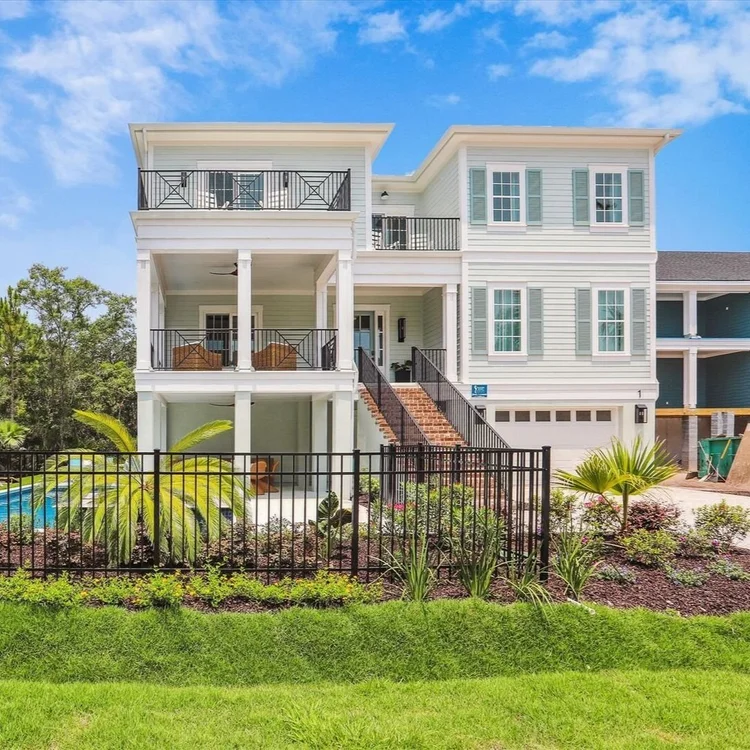
Most custom builders charge a percentage of total project cost as their fee, often called cost-plus. On paper it sounds simple. In practice it means the builder’s compensation goes up every time the project cost goes up, whether that increase comes from a client upgrade, a site condition, or a subcontractor’s number. There is nothing dishonest about that structure by itself, but it does not give the builder a reason to hold the line on costs, because a higher total project cost means a higher fee.
Hilton Head Builders works on a flat builder fee instead. The fee is set for the project and does not move when the underlying construction costs move. That changes the incentive: keeping costs accurate and controlled no longer works against the builder’s own compensation. Alongside the flat fee, clients get full visibility into every bill that comes through the project, and project funds are held in a separate project account rather than commingled with the company’s general operating funds.
This is not a claim that the company is less expensive than a percentage-fee builder. It may or may not be, depending on the project. What the flat fee changes is visibility and alignment, not the price of the house.
- A flat fee for the builder’s services, set for the project and not tied to a percentage of cost
- Full access to project invoices and subcontractor bills as they come in
- Client funds held in a separate project account rather than the company’s general accounts
The Build Sequence
Every lot and every community is different, but the general sequence of a new custom home follows a consistent order.
Site walk and review of the lot, including elevation, drainage, and any existing survey or geotechnical information
Coordination with your architect or designer on plans that meet both your program and the site conditions
Preparation and submission of plans to the community’s architectural review board
County and municipal permitting once community approval is in hand
Site work, foundation, and framing
Final walkthrough, punch list completion, and closeout
Building Across Hilton Head Island, Bluffton, and Okatie
Each community in this market runs its own architectural review process, with its own submission requirements, deposit structures, and rules about contractor access during construction. Some of that is documented publicly, and some of it only shows up once you are in the process. We have put together a separate page that walks through what to expect from these review boards community by community, including what gets submitted and in what order, because getting this step wrong is one of the most common sources of delay we see on projects that did not start with us.
Large-Scale Renovations
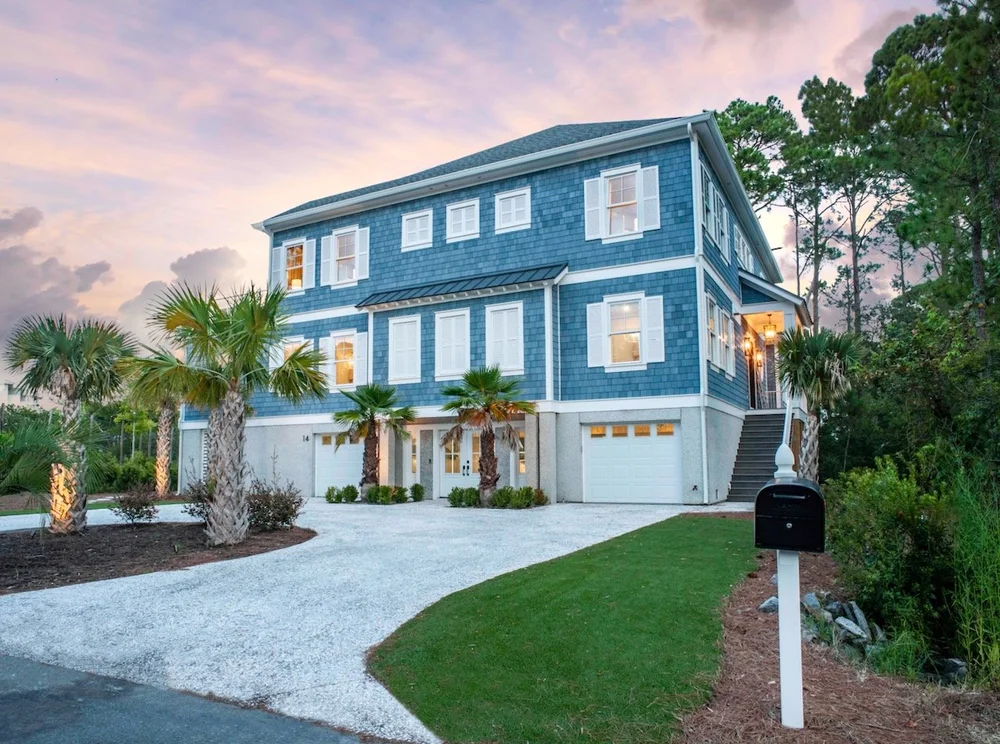
We take on substantial renovation work, generally projects at $500,000 and above, where the scope is closer to a rebuild than a remodel. This might mean a full second-story addition, a structural reconfiguration, or bringing an older coastal home up to current elevation and wind load standards. We do not take on kitchen remodels, bathroom remodels, or general handyman work. If your project is smaller than that, we can likely point you toward someone better suited to it than we are.
Licensing and Verification
South Carolina requires residential builders to hold a license through the state, and we would rather you verify that directly than take our word for it. You can look up any South Carolina contractor’s license status through the South Carolina Department of Labor, Licensing and Regulation, which maintains the state’s contractor licensing records.
FAQs
Do you build outside Hilton Head Island, Bluffton, and Okatie?
What is the typical price range for a new custom home with your company?
How long does a new custom home take to build?
Does the flat builder fee mean the house costs less?
Who actually manages my project day to day?
Do I need to have my architect and plans finalized before contacting you?
Do you handle the architectural review board submission for me?
Yes. We coordinate the submission and manage the back-and-forth with your community’s review board as part of the construction process, working alongside your architect.
Talk to Us About Your Homesite
If you already own a lot, or you are close to closing on one, the earliest useful step is a direct conversation about the site itself. Call Hilton Head Builders at 843-892-6227, or reach us at our office at 222 Halyard Dr, Hilton Head Island, SC 29926. Ed Flynn takes these calls directly.
Let's Build Your Dream Together
Start your custom home journey with Hilton Head Builders Inc. Contact us today for a consultation and discover how we can make your dream home a reality.