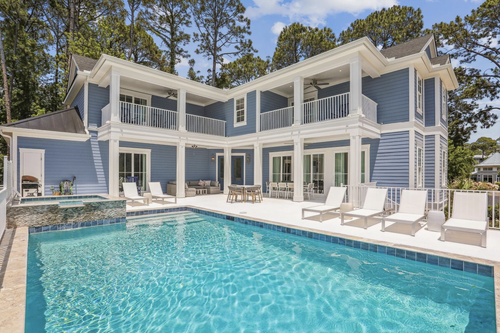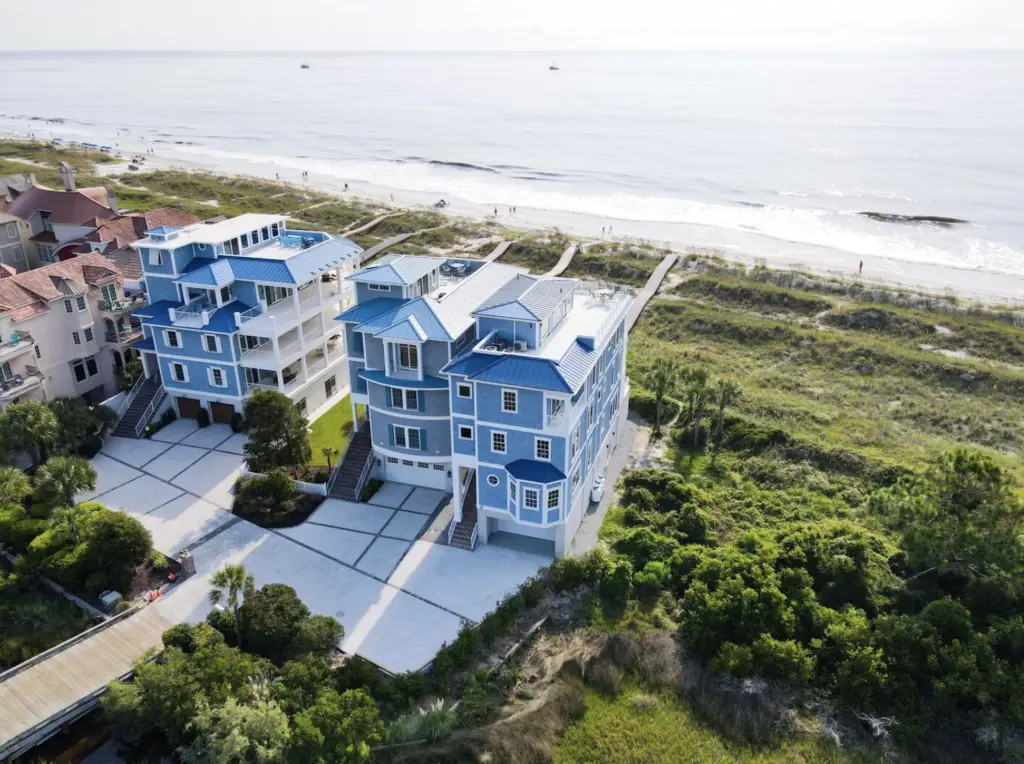
Hilton Head Builders

Custom Home Design and Architects

On Hilton Head Island, Bluffton, and Okatie, the architect you choose and the builder you choose are not separate decisions. Most of the communities in this market run design review through an Architectural Review Board, and that board is looking at drawings before a shovel goes in the ground. Getting the architect and builder aligned early, on budget, on constructability, and on what a given board expects to see, is what keeps a project moving instead of stalling in review.

Let's Build Your Dream Together

Why Architect Selection Comes First Here
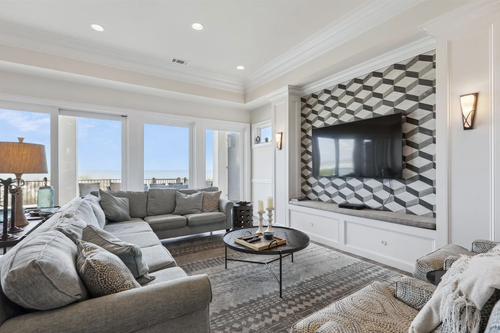
In most parts of the country, a homeowner can sketch out an idea and let a builder figure out the details as the project goes. That is not how it works inside a reviewed community. An Architectural Review Board wants a complete, professional set of drawings before it will approve anything, and incomplete or amateur submissions get sent back. That means the architect’s drawings are doing two jobs at once: they are the design, and they are the application. Ed Flynn works directly with your architect from early in that process, not after the drawings are finished, so the design reflects what can actually be built on your lot, at your elevation, inside your community’s rules.

Palmetto Bluff and South Carolina-Registered Architects

Requirements vary by community, and we will not generalize past what we know is documented. Palmetto Bluff mandates that homes be designed by a South Carolina-registered architect, meaning an architect licensed to practice in this state, with drawings that carry that license. This is not a formality. A board reviewing your submission is confirming that a licensed professional is standing behind the design, and a stamp from an out-of-state architect who is not also registered in South Carolina will not satisfy that requirement.
If you already have an architect you have worked with elsewhere, the first question worth asking is whether they hold South Carolina registration or are willing to obtain it before your project reaches design review. If you want to confirm an architect’s status yourself, the South Carolina Board of Architectural Examiners maintains license lookups.
You can check a license directly through the South Carolina Board of Architectural Examiners.
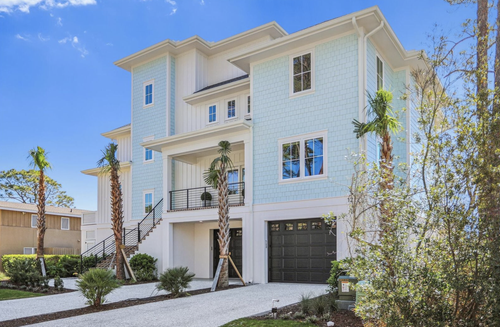
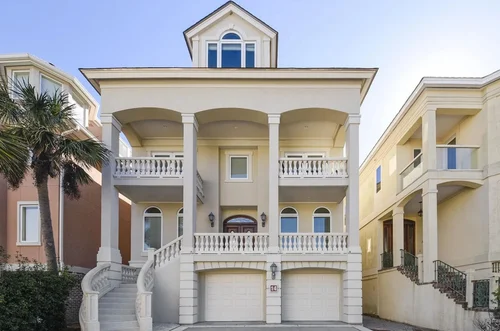
12 sea front lane
14 collier beach

How We Work With Your Architect

Whether you come to us with an architect already selected or need help finding the right fit for your project, our role during design is the same: keep the drawings grounded in what the site, the budget, and the review board will actually allow. In practice that looks like:
Ed is involved in this part of the process directly. On a project at this scale, the architect-builder relationship either saves you months of back and forth or costs you months of it, and we would rather do the coordination work up front.

What Architectural Review Boards Expect From Drawings

Requirements differ by community, but most boards in this market are looking for a similar core package before they will schedule a review:
A submission that is missing a piece, or that shows a material not yet approved for the neighborhood, typically gets tabled rather than rejected outright, which still costs you a review cycle. We treat that first submission as something worth getting right the first time rather than something to fix on the second pass.
5 shorecreast lane

How This Fits Our Transparency Model

We build under a flat builder fee rather than a percentage markup on project cost. During the design phase, that matters more than people expect. A percentage-based fee creates a quiet incentive to let costs drift upward, including on architect and engineering line items, because a bigger number benefits the builder too. A flat fee removes that incentive. You see what the architect is billing, what consultants are billing, and what the project account looks like, because project funds sit in a separate account and every invoice is visible to you. We are not describing this as a cheaper way to build. It is a more visible one.

Choosing the Right Architect for Your Lot and Community

Not every architect who does beautiful work is the right fit for a reviewed Lowcountry community. A few things worth weighing before you commit:
If you do not have an architect yet, we can talk through who we have worked with successfully in your community and why, based on actual projects, not a general recommendation.

Frequently Asked Questions

Do I need to hire an architect before I hire a builder?
Not necessarily, and in many cases it works better in reverse or in parallel. Bringing us in while you are still selecting an architect lets us weigh in on fit and on what your community’s board will expect, before drawings are underway.
Palmetto Bluff does, by documented requirement. Other communities have their own design review standards, and we will confirm what applies to your specific lot and community rather than assume it matches another neighborhood’s rules.
It varies by community and by how complete the first submission is. We cover what we know about specific review processes and typical sequencing on our Architectural Review Boards page, and we will walk through your community’s process directly once we know your lot.
Most boards will table the submission rather than approve it with conditions, which pushes you into another review cycle. This is exactly what the coordination between your architect and builder is meant to prevent.
No. The architect is engaged and paid separately for design services. Our flat builder fee covers our work managing and building the project, and every architect and consultant invoice is visible to you as it comes through the project account.
Yes. We work regularly with architects across Hilton Head Island, Bluffton, and Okatie, and can point you toward ones with a track record in your specific community and at your project’s scale.