- About
- Porfolio
- Services
Custom Home Builder
- Custom Home Builds
- Consulting
- Contact
- About
- Porfolio
- Services
Custom Home Builder
- Custom Home Builds
- Consulting
- Contact
Architectural Review Boards
On Hilton Head Island, in Bluffton and in Okatie, almost no custom home gets built without clearing a private design review process first. Every established plantation and club community runs its own board, and each one has its own submission packet, its own deposit schedule, and its own rules about who can be on site and when. The Town of Hilton Head Island layers a separate design review process on top of that within its corridor overlay districts. None of this shows up on most builders’ websites, and buyers relocating from other markets are often surprised by how much of the schedule and the budget runs through a volunteer board before a permit is ever pulled. Ed Flynn and Hilton Head Builders have worked inside these processes since the company was founded in 1995, building across Sea Pines, Palmetto Dunes, Hilton Head Plantation, Wexford, and the Bluffton and Okatie club communities.
Let's Build Your Dream Together
What an Architectural Review Board Actually Does
An Architectural Review Board, Architectural Review Committee or Architectural Standards Committee is created by a community’s covenants to enforce its design standards. The board evaluates a proposed home for compliance with the community’s architectural guidelines, which typically cover exterior materials, roofline and pitch, siting within the building envelope, setbacks, exterior color, landscaping and tree protection, and exterior lighting. It has the authority to require revisions or reject a design outright, including on purely aesthetic grounds, if a proposal does not fit the character of the neighborhood. This review is separate from, and in addition to, municipal permitting. A home in Sea Pines, for example, generally needs both Sea Pines Architectural Review Board approval and a Town of Hilton Head Island building permit before construction can begin, and each agency reviews a different part of the project.
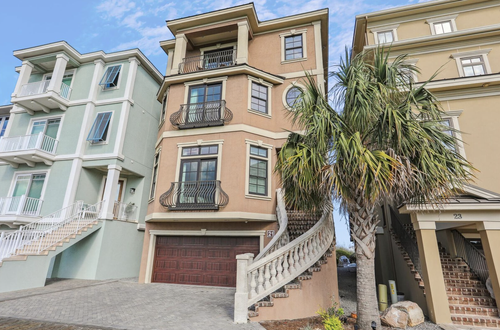
The Review Bodies You Will Work With
- The name of the body, its meeting schedule and its exact requirements differ by community. A few examples, based on published guidelines:
- Palmetto Dunes: the Palmetto Dunes Resort Covenants established an Architectural Review Board of three to seven members, and most exterior work requires an ARB permit, in some cases along with a refundable compliance deposit.
- Hilton Head Plantation: the Hilton Head Plantation Property Owners' Association Architectural Review Board oversees design review under its own written Architectural Guidelines and Review Procedures.
- Wexford Plantation: the Wexford Architectural Standards Committee typically meets twice a month to review new construction, exterior renovations, additions, landscaping and tree removal requests, and requires both its own approval and a Town of Hilton Head Island permit.
- Belfair: the Belfair Architectural Review Board charges a non-refundable review fee at submission and a road use fee once plans are approved, and returns refundable compliance and damage deposits after a final inspection.
- Colleton River: the Colleton River Architectural Review Board reviews plans, materials, setbacks and landscaping against its own submittal checklist and deposit schedule.
- Berkeley Hall and other Bluffton and Okatie club communities: each runs its own architectural review process for new construction and exterior changes, generally structured around the same conceptual and final review steps described below.
What Typically Gets Submitted
- A site plan showing the building envelope, setbacks and drainage
- Exterior elevations with material callouts
- Roof pitch and roofing material samples
- Window and door specifications
- Exterior color and material samples
- A lighting plan
- A tree survey or tree protection plan, given how many Lowcountry communities protect grand live oaks and other specimen trees
The Typical Sequence
Deposits, Fees and Access Rules
Nearly every community charges a fee at submission and additional fees or deposits before work begins. Belfair’s structure is a useful example of how this is often organized: a non-refundable review fee due with the plans, a non-refundable road use fee due once the design is approved and before a permit is issued, and separate refundable compliance and damage deposits returned after a passing final inspection. Other communities on the island and in Bluffton use a similar shape, though the amounts and the number of separate fees differ. Because these communities are gated and privately managed, construction access is arranged through the property owners’ association, not just the Town, and most boards also set rules on construction hours, dumpster and portable toilet placement, silt fencing, and tree protection that have to be in place before the board will sign off on groundbreaking.
How Long Approval Takes
How Hilton Head Builders Handles This
Ed Flynn manages architectural review submissions directly for every project, drawing on decades of work inside these specific boards rather than treating each community’s process as new. We prepare the submission package, communicate with board and property owners association staff, and keep you informed of where the design stands at each stage rather than leaving it as a black box between contract signing and groundbreaking.
This is also where our flat builder fee model shows up in practice. Review fees, road use fees and compliance deposits are community expenses, not builder markup, and because our fee is a flat amount rather than a percentage of project cost, you see every one of those bills pass through the project’s dedicated account at cost. That structure is about visibility into where the money goes, not about being the cheapest bid.