- About
- Porfolio
- Services
Custom Home Builder
- Custom Home Builds
- Consulting
- Contact
- About
- Porfolio
- Services
Custom Home Builder
- Custom Home Builds
- Consulting
- Contact
Building on a Lot You Already Own
If you already own a homesite on Hilton Head Island, in Bluffton, or in Okatie, you are starting from a different place than someone still shopping for land. You are not choosing a neighborhood or a builder-owned lot package. You are choosing who builds on the ground you have already committed to. That changes what matters in the first conversation, and it changes what we do before we talk about design at all.
Let's Build Your Dream Together
The First Thing We Do: Read the Lot, Not the Floor Plan
A lot-first project starts with constraints instead of options. Setbacks, easements, tree protection, flood elevation, and community design requirements are already fixed by the parcel you own. The house has to work with the lot, not the other way around. That is a different design and construction problem than building on a builder-controlled lot where the site was selected to make things easy.
It is also, in our experience, the more common situation in this market. A large number of the people we talk with bought a homesite years ago, or inherited one, or closed on land before deciding on a builder. If that is you, the earlier we get a full picture of your specific lot, the better the design and the estimate will be.
Start With the Contract, Not the Estimate
- The existing survey, and how current it is. Surveys more than a few years old often need to be updated before permitting, particularly if flood maps or setback rules have changed since it was drawn.
- Recorded easements, whether for utilities, drainage, or shared access, and how they affect buildable areas.
- Flood zone designation and base flood elevation, which on Hilton Head Island, in Bluffton, and in Okatie can materially change foundation type and finished floor height.
- Tree protection requirements. Hilton Head Island in particular has specific rules around protected and specimen trees, and removal or encroachment near a protected tree can require permitting of its own.
- Wetlands or buffer areas on or adjacent to the parcel, which affect both buildable footprint and site work.
- Property owners association or architectural review board requirements, where the lot sits inside a governed community. These typically include design guidelines, a submission and approval sequence, and often a contractor deposit or access rule during construction.
- Utility availability, including whether the lot is on municipal water and sewer or will require a well and septic system, which affects both design and site cost.
Design That Starts From the Land
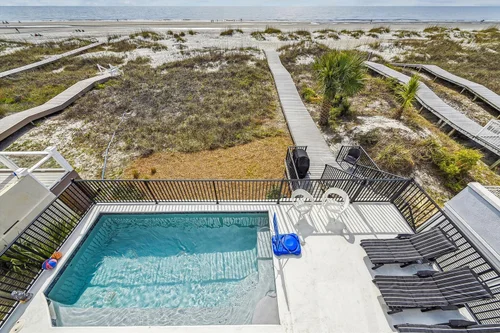
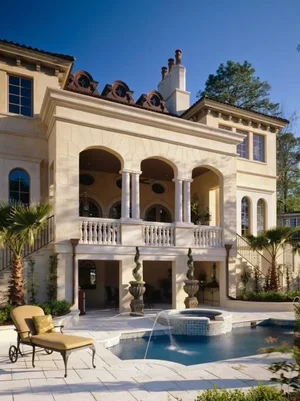
Once we have a full picture of the lot, design decisions follow from it rather than being forced onto it. Orientation, window placement, and outdoor living areas get planned around sun angle, prevailing breeze, and any view the lot actually offers, rather than a stock plan being dropped onto the site and adjusted after the fact. On a wooded interior lot, that might mean working closely with an arborist to preserve specific trees. On a marsh or waterway lot, it usually means working within a defined buffer and, where a community requires it, through a design review process before a shovel goes into the ground.
If you already have an architect or a set of plans, we will work from those and evaluate them against your specific lot conditions and any community requirements before construction pricing begins. If you do not yet have plans, we can bring in an architect we have worked with directly, and the lot conditions we have already documented become the starting point for that design work, rather than something discovered after the design is finished.
How the Builder Fee Works on a Lot You Already Own
Owning the lot separately from the construction contract does not change how we are paid, and it should not. We work on a flat builder fee rather than a percentage of the cost of construction. That distinction matters more, not less, on a custom project with site-specific unknowns, because a percentage fee gives a builder a direct financial incentive for the project to cost more. A flat fee removes that incentive. Our fee is the same whether the foundation ends up simple or complicated, and whether the finish selections run modest or extensive.
Alongside the flat fee, you get full visibility into every bill on the project. You are not working from a builder’s summary of costs. You see the actual invoices from subcontractors and suppliers as they come in. Project funds are held in a separate project account rather than commingled with company operating funds, so the money moving through the job is traceable to the job.
This is not a pricing gimmick and we do not present it as a way to build cheaper. It is a way to build with visibility into where the money is actually going, on a project large enough that visibility is worth having.
Permitting and Approval
Every project on an owned lot goes through some form of permitting review, and most lots inside a governed community add a second layer of architectural or design review on top of the county or municipal process. The specifics vary by community and by jurisdiction. Documents that are commonly required at some point in the process include a site plan, elevations, exterior material and color selections, and sometimes a landscape or tree removal plan. Some communities also require a deposit prior to construction and have rules about contractor access, work hours, and staging during the build.
We manage this process directly rather than handing you a checklist and stepping back. Because the requirements differ by community, we would rather walk through your specific lot and its governing documents with you than give a generic timeline that will not match your situation.
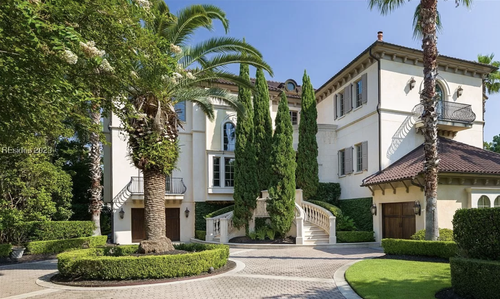
If There Is an Existing Home on the Lot
What to Bring to a First Conversation
- Your most recent survey, if one exists.
- Any property owners association or architectural review board design guidelines you have received.
- Existing architectural plans, if any have been drawn.
- Any correspondence you have already had with a design review committee.
- Your general sense of budget range and priorities, even if it is not fully formed yet.